14 hr
San Blas Island Hopping Day Tour from Panama City
Four Caribbean gems in one day — shipwrecks, starfish, white sand, and Kuna culture await.
Reserve
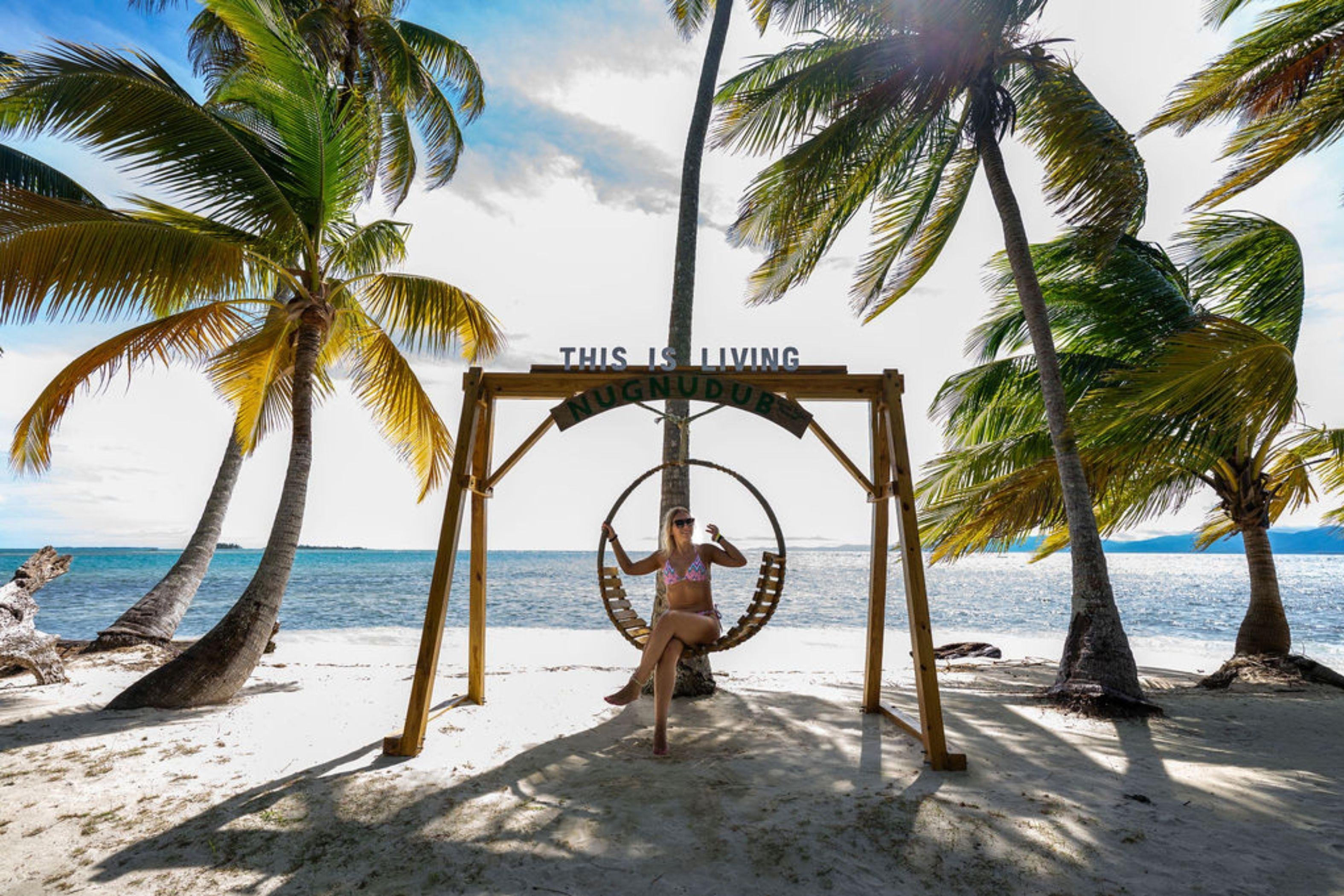
365 coral islands where Guna culture meets turquoise lagoons, untouched by concrete and crowds
Hand-picked by our editors — only the best 12 experiences from 47 reviewed.
Verified partners for San Blas Islands tours, free cancellation where available, and instant confirmation on every booking.
14 hr
Four Caribbean gems in one day — shipwrecks, starfish, white sand, and Kuna culture await.
Reserve
16 hr
Escape to four stunning Caribbean islands — including a secluded hidden gem — on this unforgettable day trip from Panama City.
Reserve
Escape to Panama's untouched Caribbean paradise — 4 islands, snorkeling, lunch & more in one epic day.
ReservePrices from verified partners. Availability updates in real time at checkout. Free cancellation policies apply where shown.
The landmarks, rooms, and views travelers on San Blas Islands tours remember — all visible on a single visit.
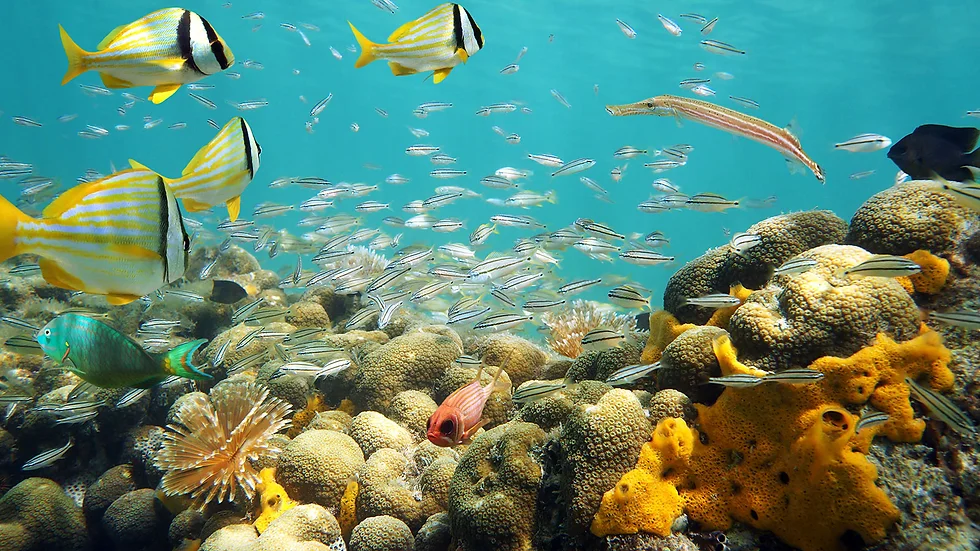
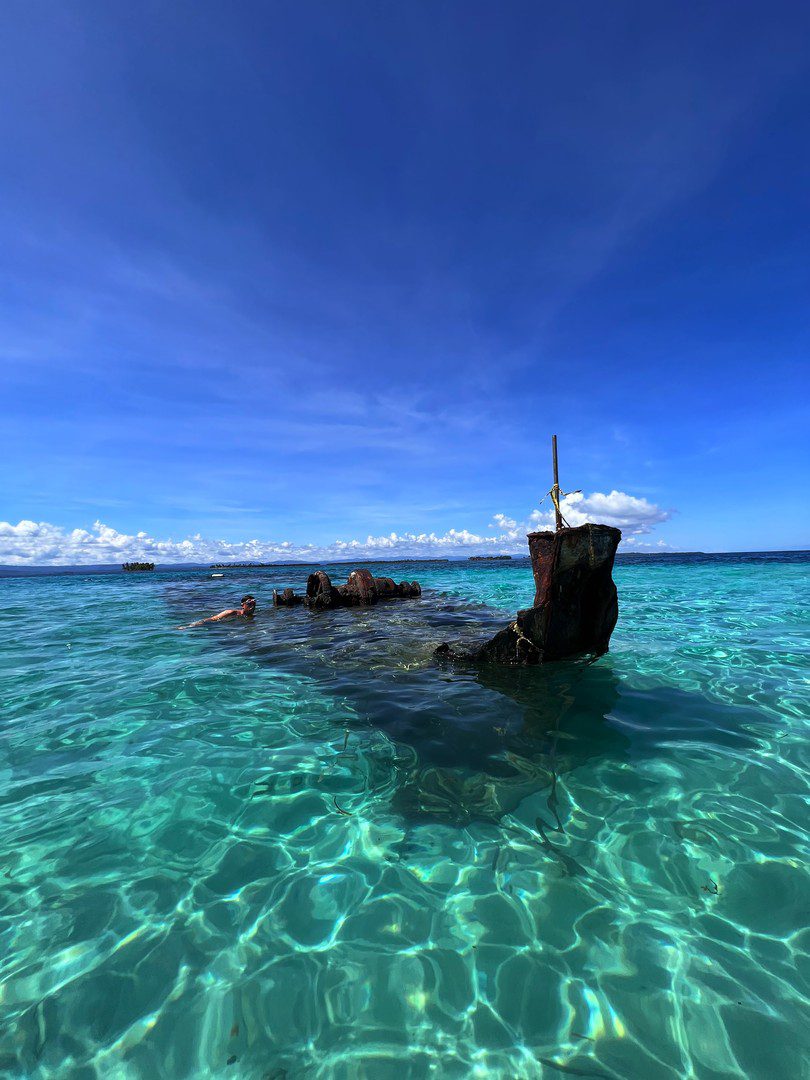
A shallow underwater wreck resting just metres off the white-sand shoreline, offering vibrant coral growth and abundant tropical fish for snorkelers.
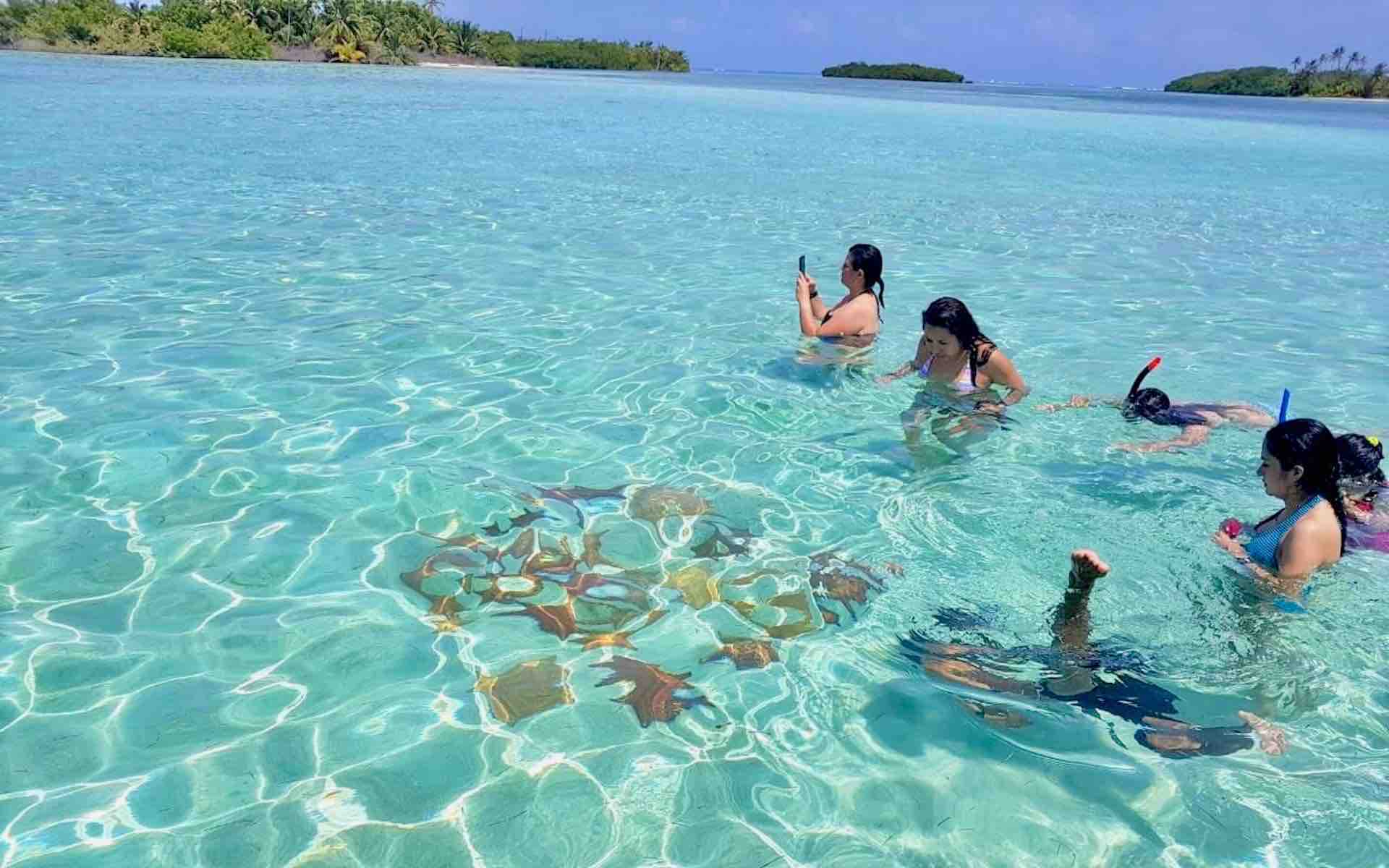
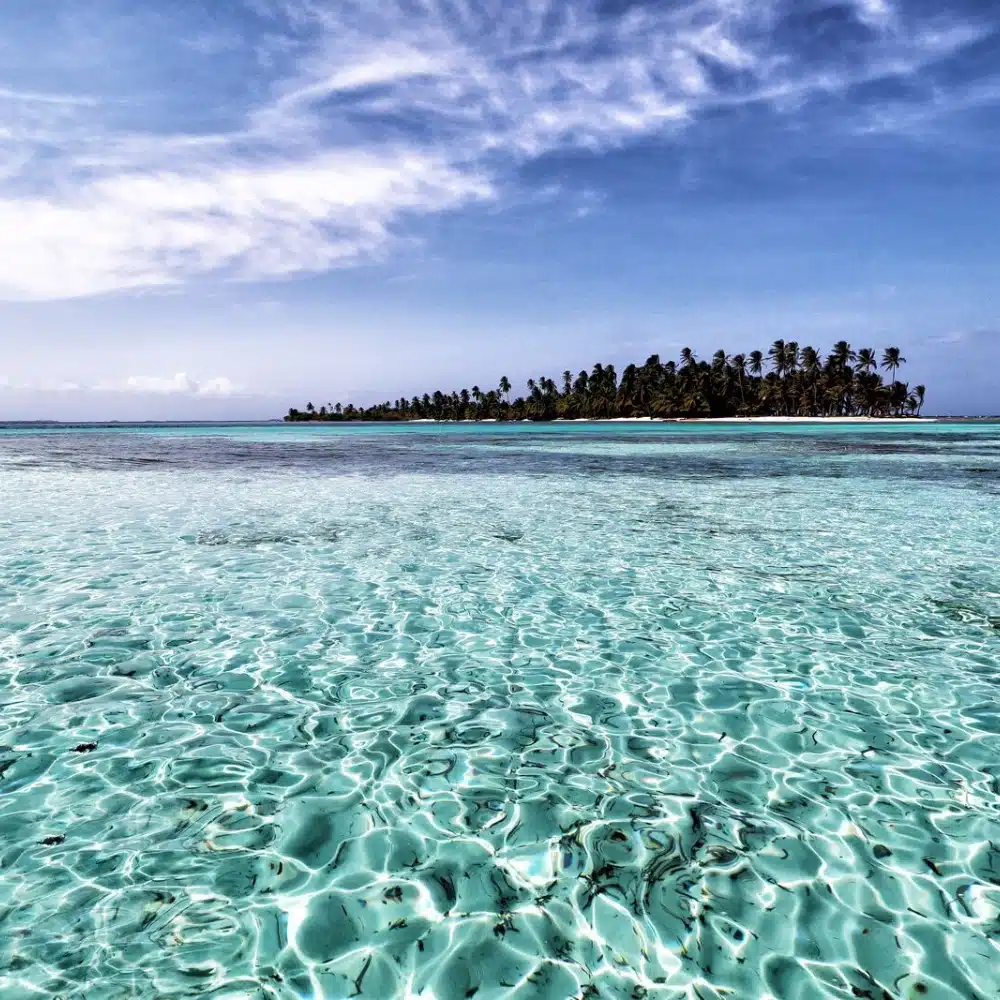
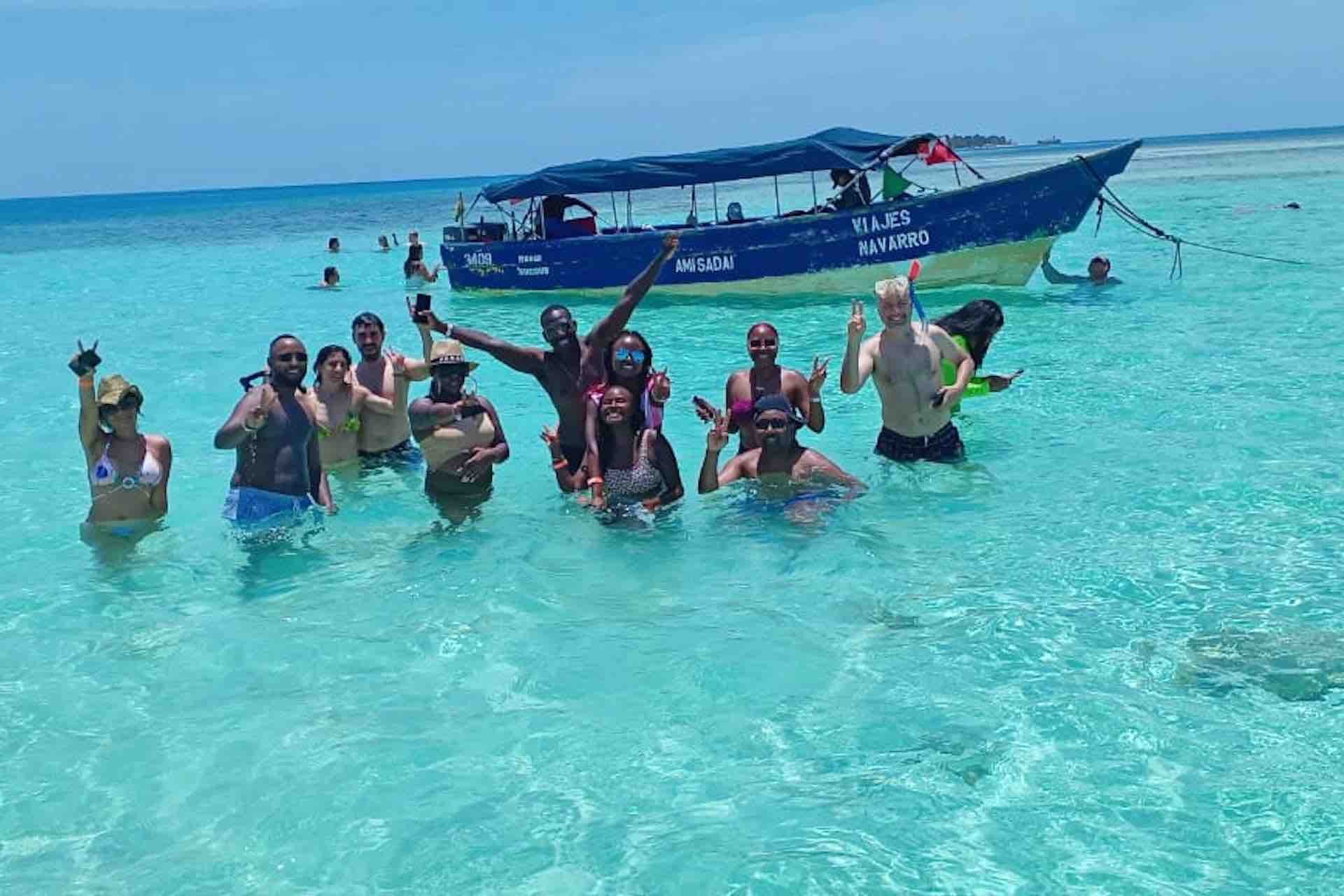
A submerged sand flat located miles offshore where visitors can stand in waist-deep transparent water surrounded by colorful starfish.
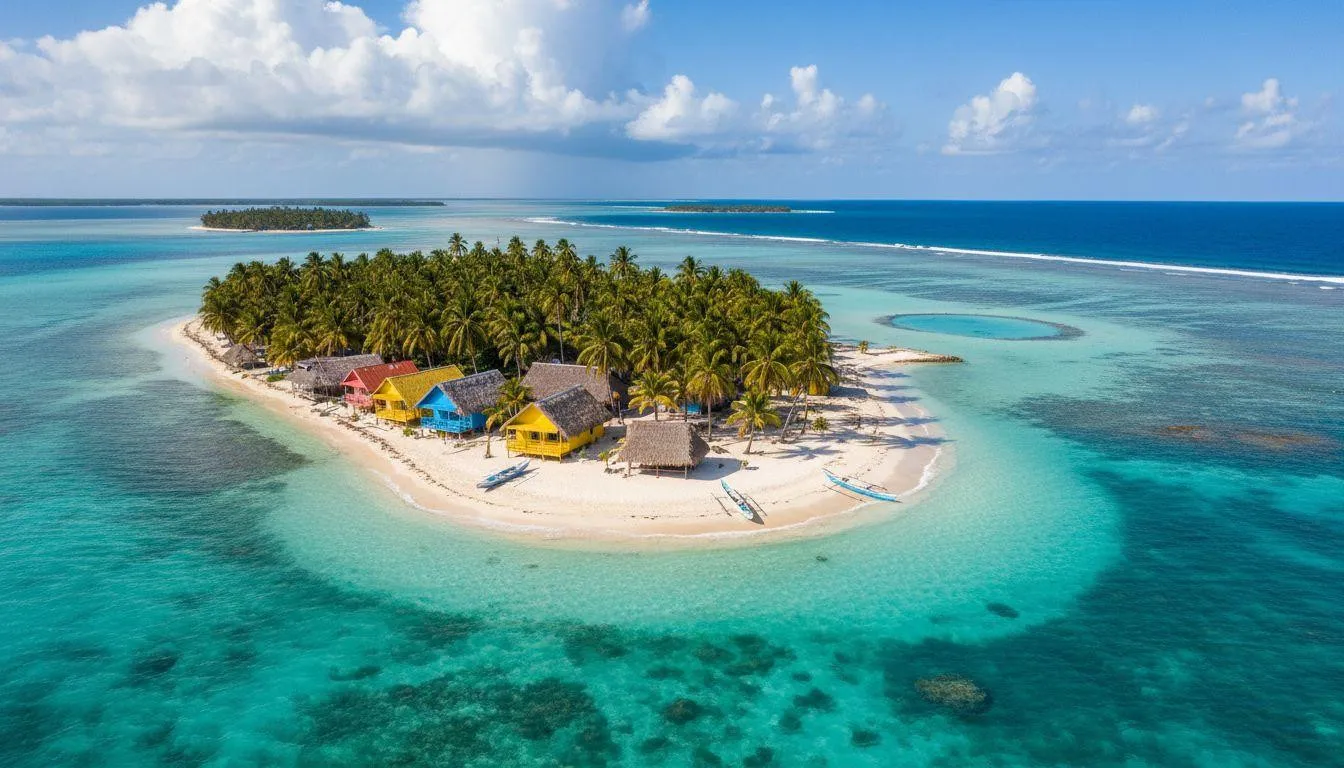
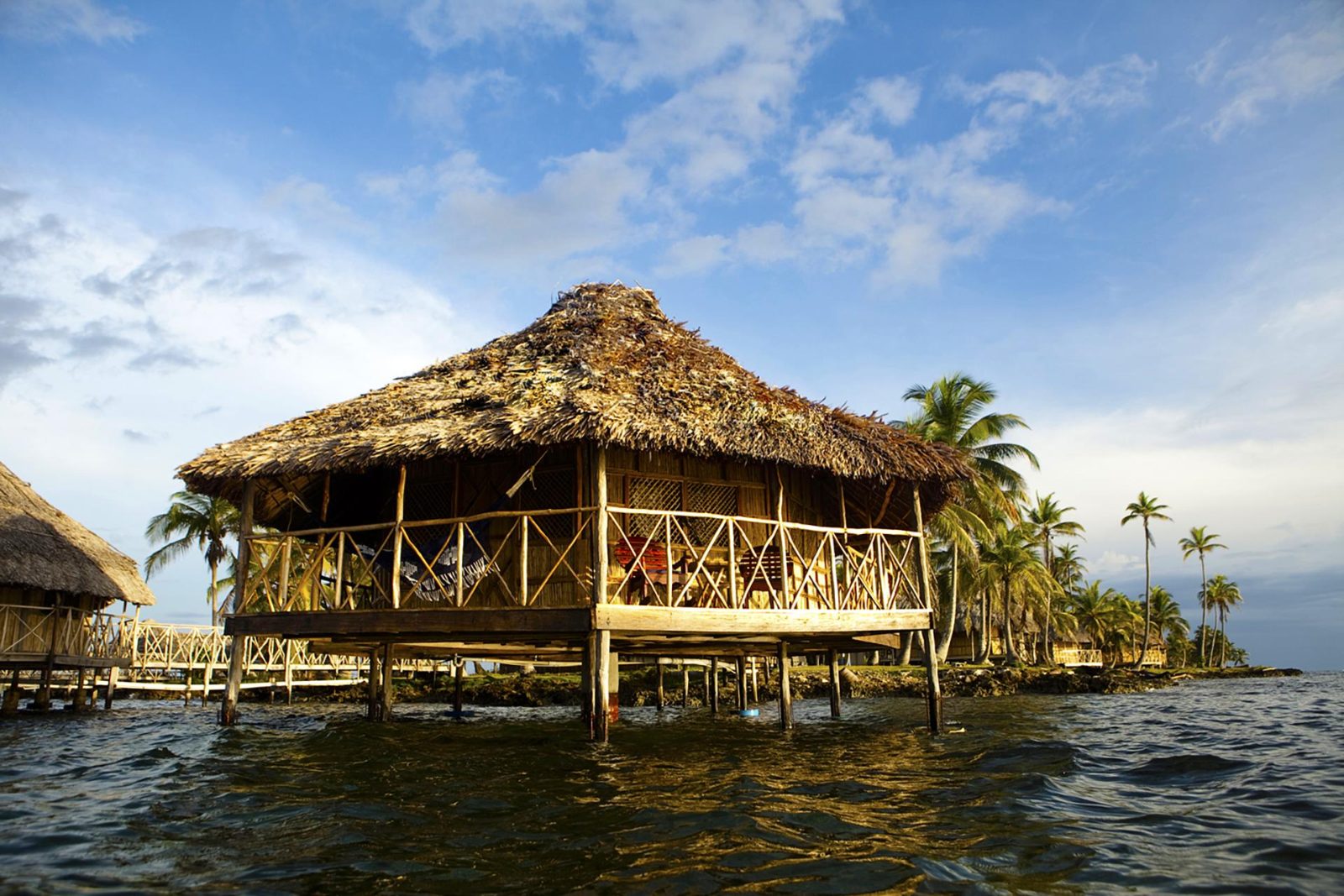
One of the larger coral islands featuring wide powdery white beaches, shaded palm groves, and traditional thatched-roof overnight cabins.
A remote outer chain of pristine coral reefs known for exceptional marine biodiversity and crystal-clear visibility for diving enthusiasts.
A traditional Guna village where visitors can observe indigenous architecture, local handicraft production, and community life.
Every San Blas Islands tour side-by-side — duration, what's included, how you redeem.
| Experience | From | Duration | Rating | Pickup | Lunch | Skip-the-line | Price | |
|---|---|---|---|---|---|---|---|---|
|
Guided Experience Most popular
San Blas Island Hopping Day Tour from Panama City
|
Panama City | 14 hr | ★ 4.5 | ✓ | ✓ | ✓ | €126 | Book → |
|
Guided Experience
San Blas Islands 4-Island Day Trip from Panama City with Lunch
|
Panama City | 16 hr | ★ 4.3 | ✓ | ✓ | ✓ | €126 | Book → |
|
Guided Experience
San Blas Islands Day Trip from Panama City with Lunch
|
Panama City | 1 full day | ★ 4.4 | ✓ | ✓ | ✓ | €117 | Book → |
All prices from verified partners. Availability and exact terms confirmed at checkout.
Choose your ticket, select your date, and reserve in under two minutes. Secure checkout handled by our verified partner.
Instant confirmation by email, with a mobile voucher you can save offline. No printing, no queuing at a collection desk.
Arrive at the entrance, show your voucher on your phone, and walk in. Most tickets include priority or skip-the-line access.
Practical details for San Blas Islands tickets straight from our verified partners — hours, access, rules, and how to get there.
Panama City
Driver meets guests directly at hotel reception areas between 05:00 and 05:30.
Open in Google MapsShared 4x4 vehicles pick up passengers from Panama City hotels, navigating the winding mountain road to Port Cartí in approximately 2.5 to 3 hours.
There is no direct public bus service; authorized 4x4 transfer services or private drivers are mandatory for reaching Port Cartí.
Modest beachwear is recommended outside swimming areas out of respect for local Guna culture. Bring a light windbreaker or sweater for breezy island evenings and early boat rides.
Pack belongings in soft duffel bags or backpacks rather than rigid suitcases to fit easily into 4x4 vehicles and small wooden boats. Keep your passport and cash securely sealed in waterproof dry bags during marine transits.
Always ask for permission before photographing local Guna residents, traditional molas, or community spaces. Drones are strictly prohibited across the islands without prior regional authorization.
The san blas islands feature uneven sandy paths, rustic wooden docks, and natural terrain without paved ramps. Visitors must be comfortable stepping down from boats directly onto shallow shorelines.
Cellular signal is extremely limited or non-existent across most of the archipelago. Bring a portable power bank, as island electricity from generators is usually restricted to specific evening hours.
Children are welcome on the san blas islands, but parents should note that rustic island infrastructure lacks modern baby amenities. Boat journeys involve bumpy waves, so families should prepare young children accordingly.
Traditional meals featuring fresh fish, coconut rice, and plantains are served at fixed hours in communal dining areas. Tap water is unavailable, so visitors must purchase bottled water or bring an adequate supply.
Pets are strictly prohibited on all islands and boats within the protected Guna Yala territory to preserve local fauna.
Electricity on the islands is typically supplied via generators only from 18:00 to 22:00. Plan your device charging schedule around these limited hours.
Panama City
Driver meets guests directly at hotel reception areas between 05:00 and 05:30.
Get directionsGuna Yala Coastline
Travelers rendezvous with their assigned boat captains after the 4x4 mountain transit.
Get directionsBest time to go, insider tips, nearby landmarks, and the cancellation fine print — flip through to skim what matters to you.
How crowds, weather, and events shift across the year.
The dry season features steady sunshine and bright blue skies, though strong trade winds can occasionally make boat transfers choppy.
The rainy season brings calmer seas, vibrant green landscapes, and significantly fewer crowds, making it an ideal period for tranquil san blas islands tours.
Small details that turn a good visit into a great one.
There are no ATMs or electronic card terminals anywhere in the territory, so bring all required USD cash from Panama City.
Rigid suitcases take up excess space in shared 4x4 jeeps and small boats; pack everything into a single backpack or duffel.
Splash water is common during lancha boat rides, so store cameras and phones inside sealed waterproof dry bags.
Begin your journey early to catch smooth morning water conditions before afternoon winds pick up across the open sea.
Always request permission before taking photos of residents or entering restricted communal areas.
Generator power on the islands is restricted to evening hours, making a portable power bank essential.
Local vendors and boatmen rarely have change for 50 USD or 100 USD bills, so stock up on 1 USD, 5 USD, and 10 USD notes.
Non-bookable sights within a short walk — free to visit, easy to pair.
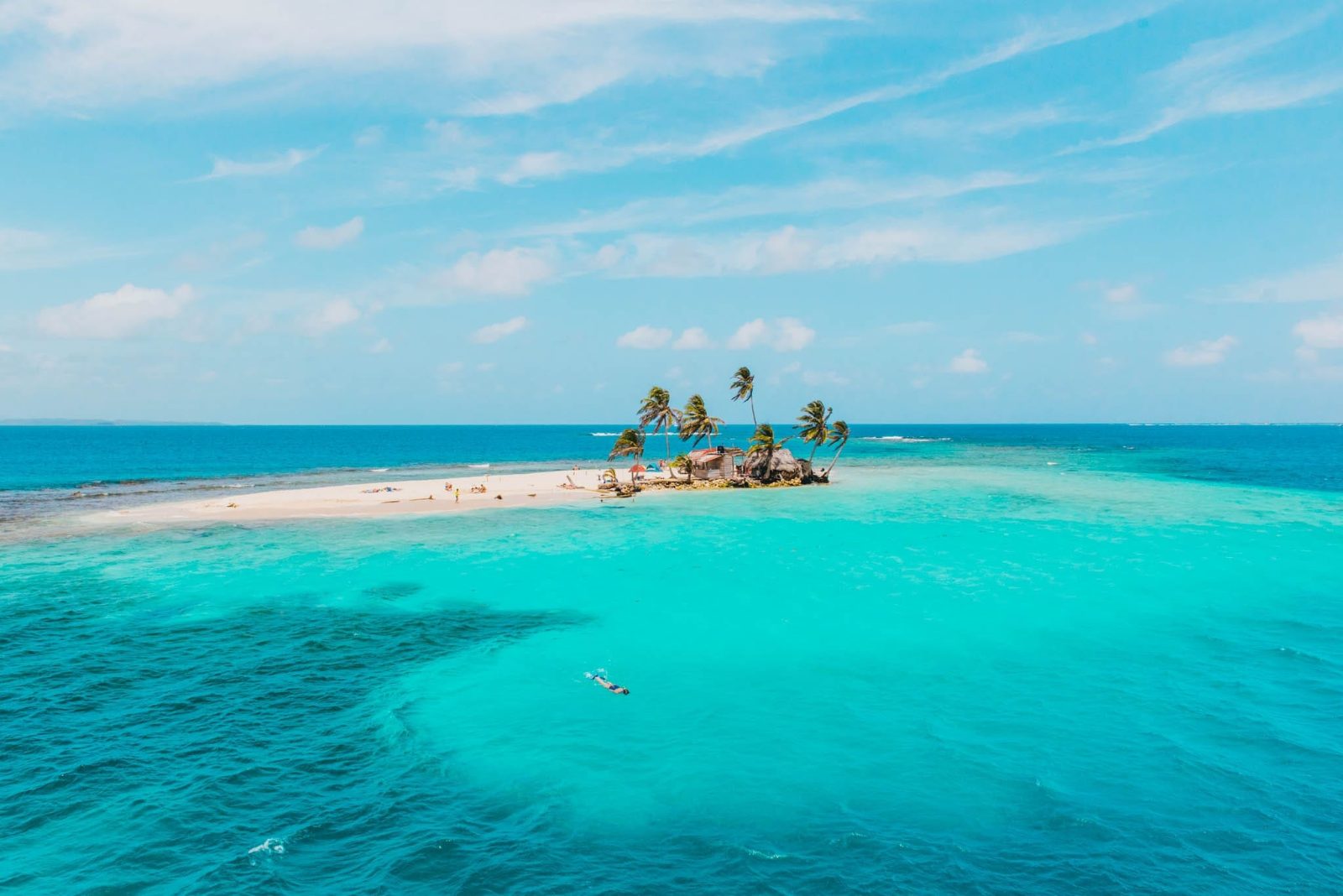
Famous for its shallow turquoise waters and a shallow wooden shipwreck resting just offshore ideal for casual snorkeling.
A vast sandbar in the middle of the open sea where starfish gather in waist-deep crystal waters.
An authentic Guna community offering cultural insights into traditional daily life and local art.
Flexible, no hidden fees.
If you cancel your booking up to 3 days before the tour starts, you will receive a 100% refund. Cancellations made with less notice are non-refundable. Note that the 20 USD conservation fee is regulated separately by local authorities.
Hand-picked options within walking distance — pick a district for vibe, or a specific hotel for convenience.
Rustic beachfront huts with sandy floors, shared bathrooms, and authentic local charm.
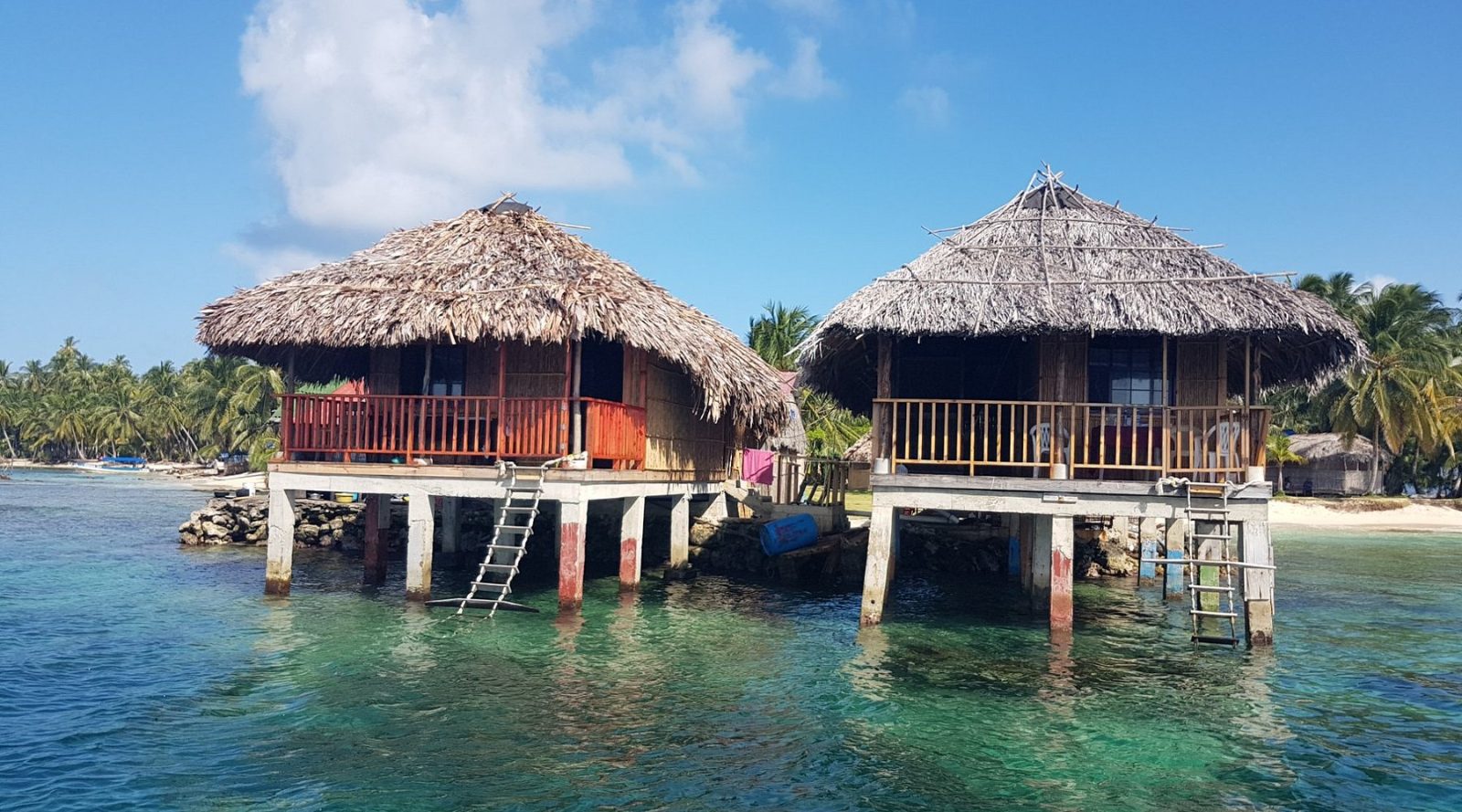
Private wooden cabins set over the Caribbean sea featuring small outdoor terraces.
Basic camping areas and hammock spaces under thatched roofs for adventurous travelers.
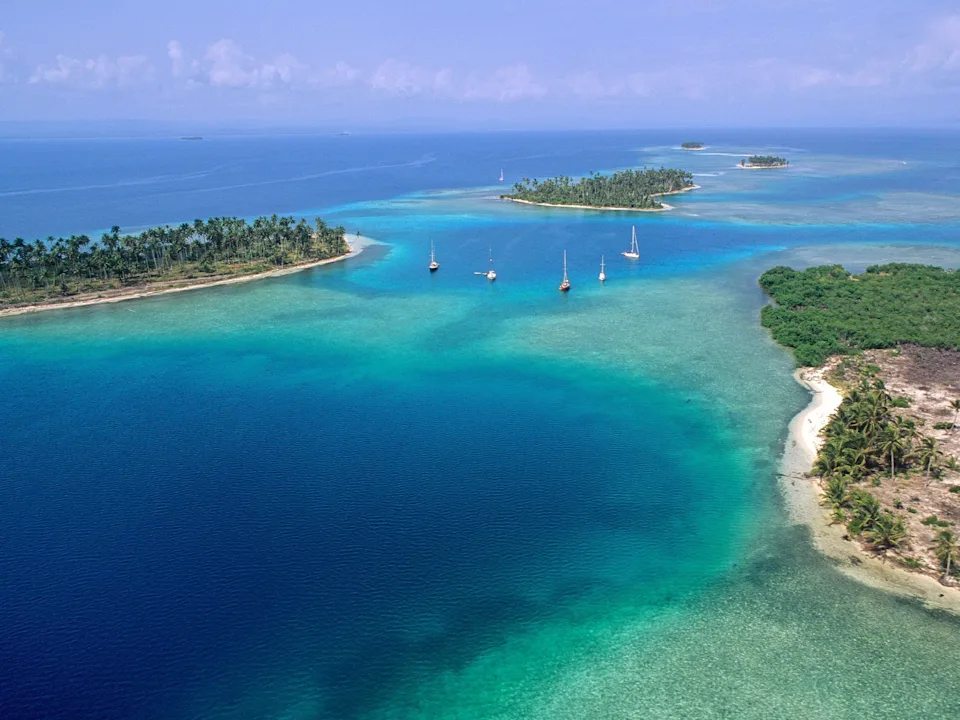
The San Blas Islands archipelago comprises 365 coral islands and cays, of which fewer than 50 are inhabited.
Spread across 226 kilometers of Caribbean coastline, the islands form the autonomous Guna Yala comarca, home to the indigenous Guna people who have governed the territory since securing semi-autonomy from Panama in 1925. The Guna maintain strict control over development — no hotels exceed two stories, no foreign ownership is permitted, and every overnight stay requires permission from the local congress. This self-governance has preserved one of the hemisphere's most intact indigenous cultures and protected coral reefs that escaped the bleaching events that damaged much of the wider Caribbean between 2014 and 2023.
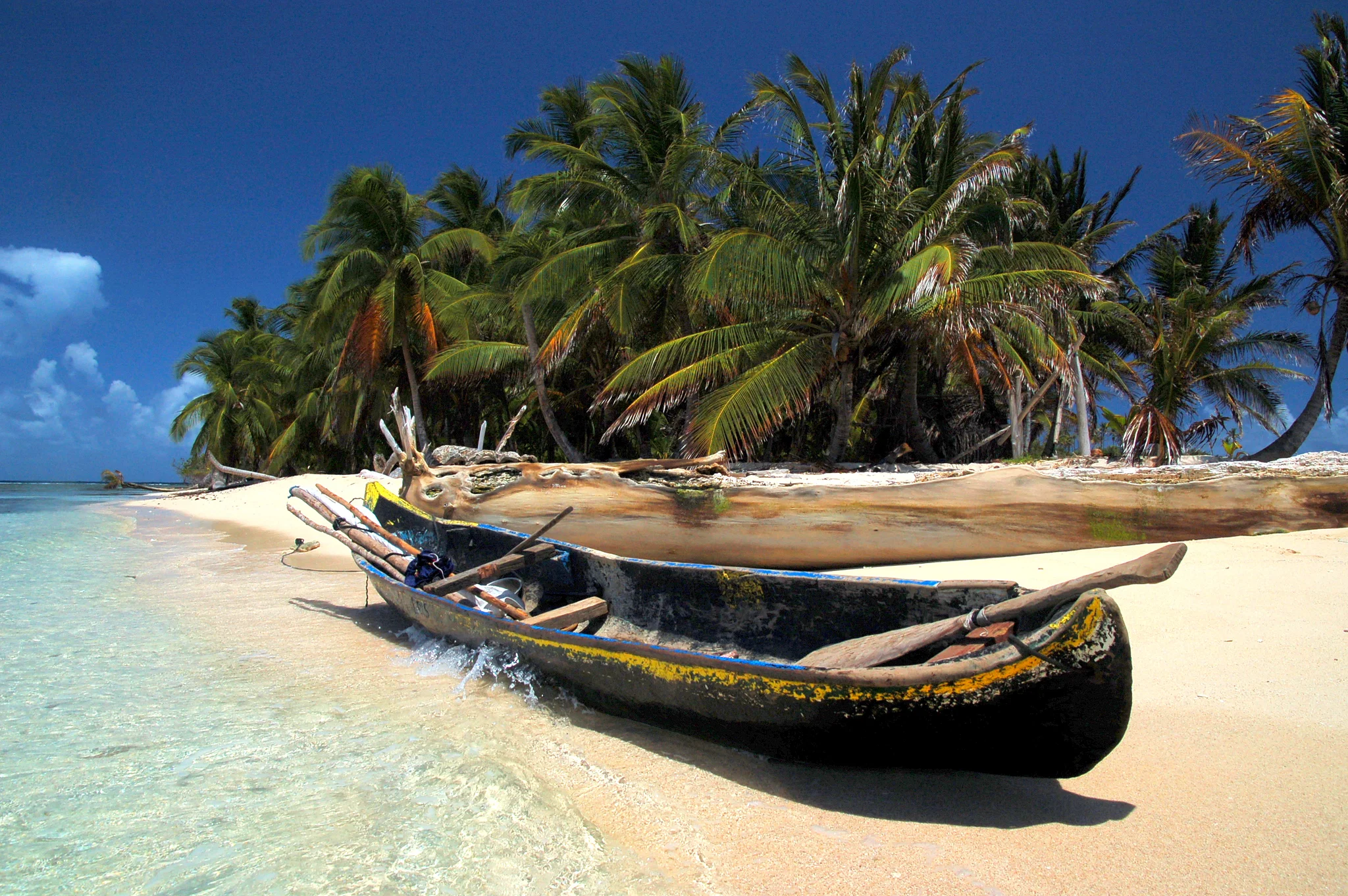
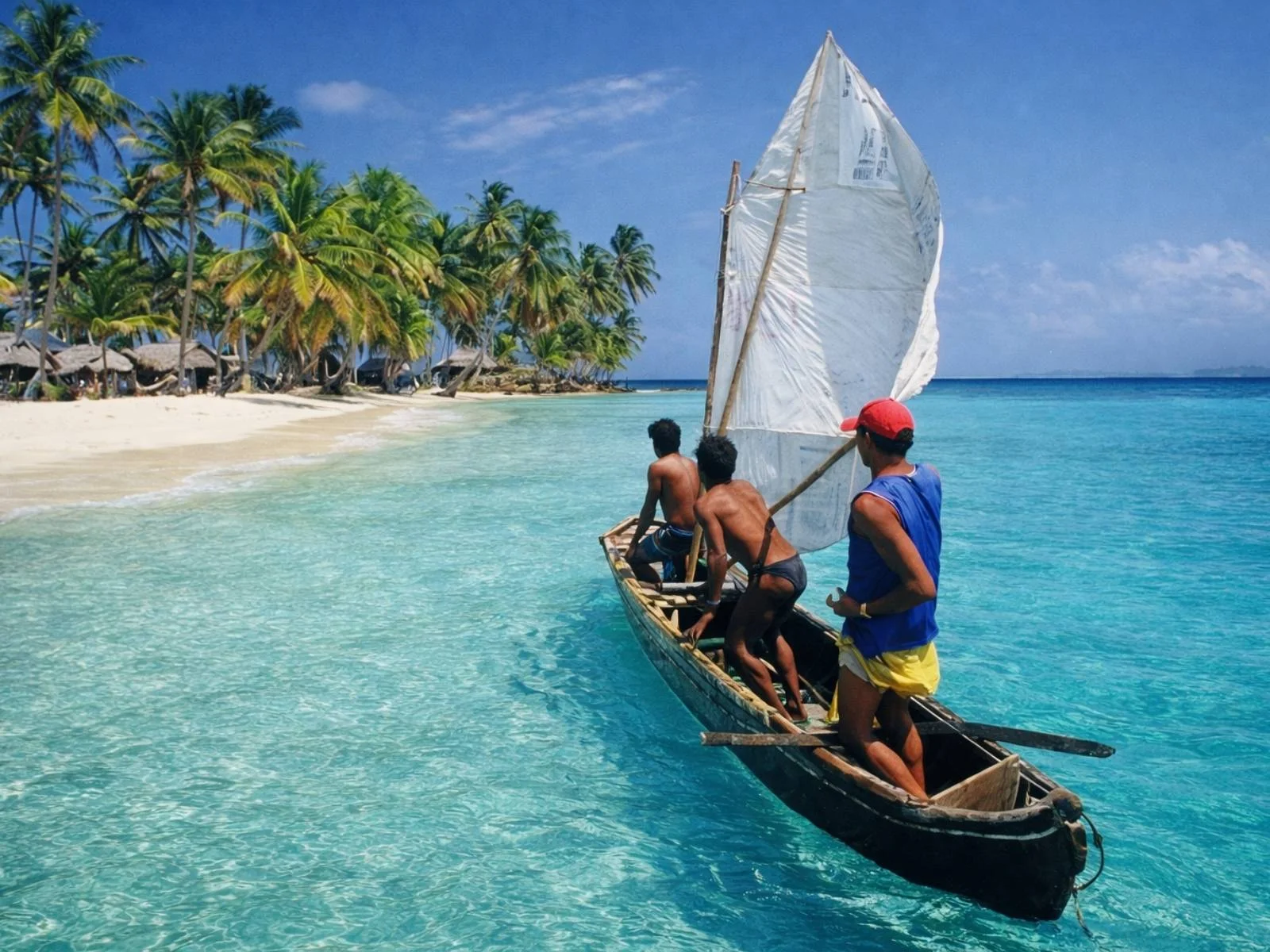
Visitors arrive at the comarca via the Llano-Cartí road, a winding 2.5-hour drive from Panama City that crosses the Continental Divide before descending to the Caribbean coast. From the Cartí port, motorized cayucos — slender wooden boats carved from single tree trunks — ferry passengers across shallow lagoons to the outer islands. Most day trips to the San Blas islands focus on a three-island circuit: a snorkeling stop at a coral garden, a beach landing on an uninhabited cay, and lunch on a Guna-run island where families sell mola textiles — reverse-appliqué panels stitched in geometric patterns that take weeks to complete. The water averages 26 degrees Celsius year-round, and visibility often exceeds 20 meters, drawing snorkelers to walls thick with elkhorn coral, parrotfish, and hawksbill turtles.
The Guna charge a $20 conservation fee per foreign visitor, collected at the port and distributed among the 49 island communities. Multi-day sailboat tours depart from the western anchorages near Porvenir and sail east toward the Colombian border, stopping at less-visited atolls where rays glide over sand flats and frigatebirds nest in mangroves. Private san blas tours allow travelers to negotiate custom itineraries with Guna boat captains, often including sunrise departures and extended snorkeling sessions. The archipelago receives the fewest visitors between May and November — the rainy season brings afternoon squalls but also calmer seas and lower prices. A san blas islands tour from Panama City typically departs before dawn to maximize island time before the afternoon heat peaks.
"The Guna have governed the San Blas Islands since 1925, maintaining one of the hemisphere's most intact indigenous cultures and protecting coral reefs that survived the Caribbean's bleaching crises."
A step-by-step walkthrough of San Blas Islands tickets — what you'll see, how long each stage takes, and the details that matter.
You leave Panama City in the dark, climbing through cloud forest as the road switchbacks toward the Caribbean side of the isthmus. At the Cartí port, you step into a narrow cayuco, its motor sputtering to life as the captain steers between mangrove channels and out into open water.
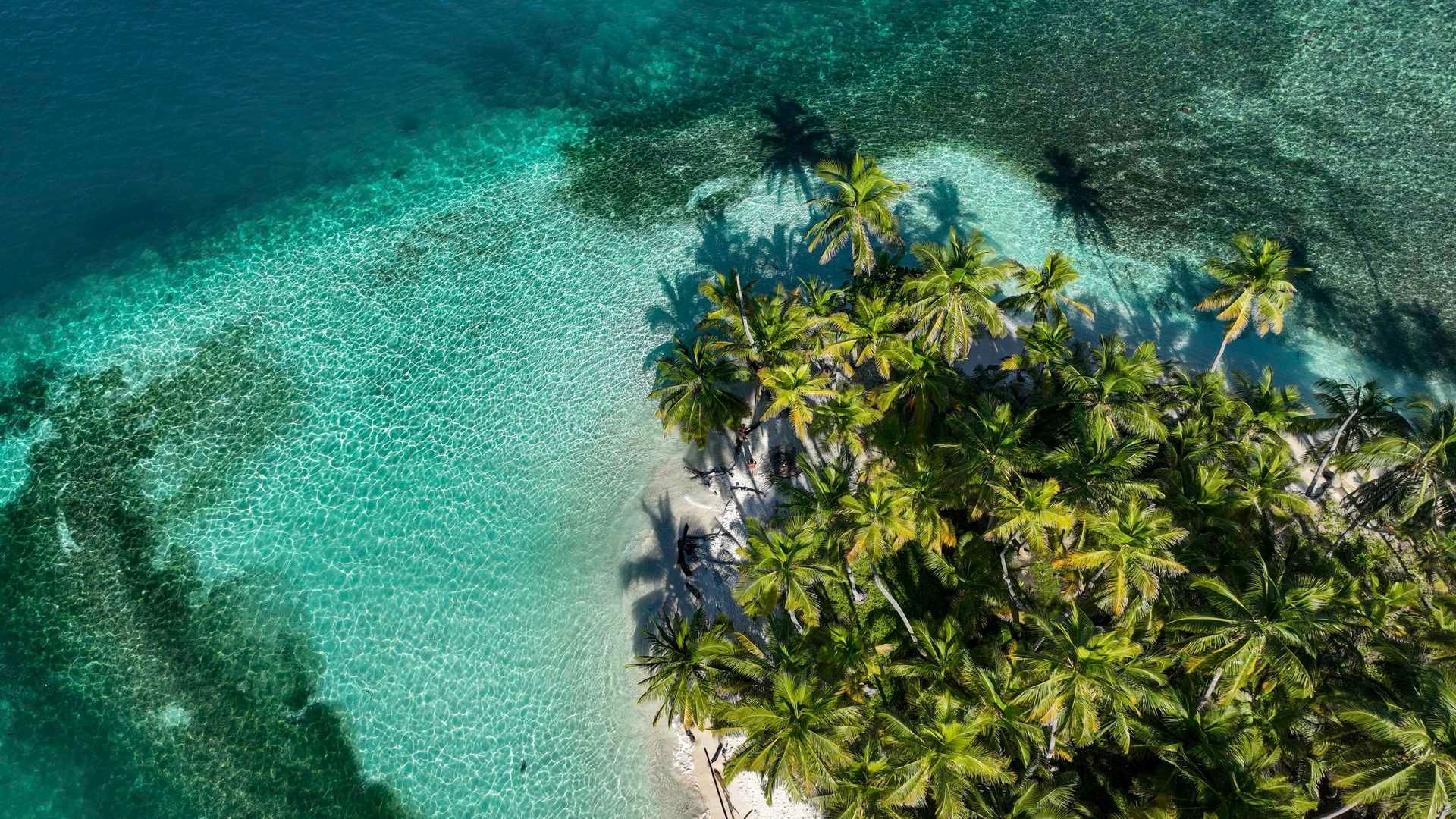
The first island materializes as a line of palms against the horizon — a postage-stamp cay ringed by sand so white it burns in the early light. You anchor offshore and pull on fins, descending through water so clear you can see the anchor chain resting on the coral below. Schools of sergeant majors swirl around the reef; a nurse shark lies motionless in a sand patch.
Back in the boat, you cross to a second island where Guna women sit beneath thatched shelters, stitching mola panels in red and black thread. Lunch is grilled snapper and coconut rice, served on banana leaves. The captain points west toward the uninhabited outer cays — dozens of sand islands with nothing but a few palms and the circling shadows of frigatebirds. You spend the afternoon on one of these, wading through ankle-deep water a hundred meters from shore, the seafloor a mosaic of sand ripples and brain coral. By mid-afternoon the wind picks up, and the cayuco retraces its route back to the mainland, the islands shrinking behind you into the blue expanse of the Caribbean.
The territory is open daily from 07:00 to 17:00, and the best arrival window is 07:00–16:00 to ensure calm morning boat transfers.
Foreign visitors must pay a mandatory conservation fee of 20 USD per person in cash at the border checkpoint.
No, there are no ATMs or card payment systems in the territory, so you must bring enough physical USD cash for your entire stay.
Cancellations made up to 3 days before departure receive a full refund, while later cancellations are non-refundable.
Travelers take a 2.5 to 3-hour 4x4 vehicle ride from Panama City to Port Cartí, followed by a 20-minute lancha boat transfer to the islands.
Yes, day tours are available, though they involve a long combined travel time of over 7 hours in vehicles and boats.
Pack light soft luggage, USD cash in small bills, reef-safe sunscreen, a waterproof dry bag, and a portable power bank.
Children are welcome, but families should prepare for rustic island facilities and bumpy speedboat rides across open water.
Photography is permitted in public spaces, but you must always ask permission before photographing local Guna people or community elders.
Traditional meals featuring fresh fish, rice, and plantains are provided at set times, while drinking water should be brought or purchased separately.